GEO for Small Businesses in 2026: Win AI Mentions Without a Big Budget
Generative engine optimization is just SEO adjusted for a world where ChatGPT, Perplexity, and Gemini synthesize answers and cite sources. You don’t need a new team—just tighter fundamentals and better packaging of what you already know.
Search is now citations, not pages
Search isn’t a page anymore. It’s a set of surfaces.
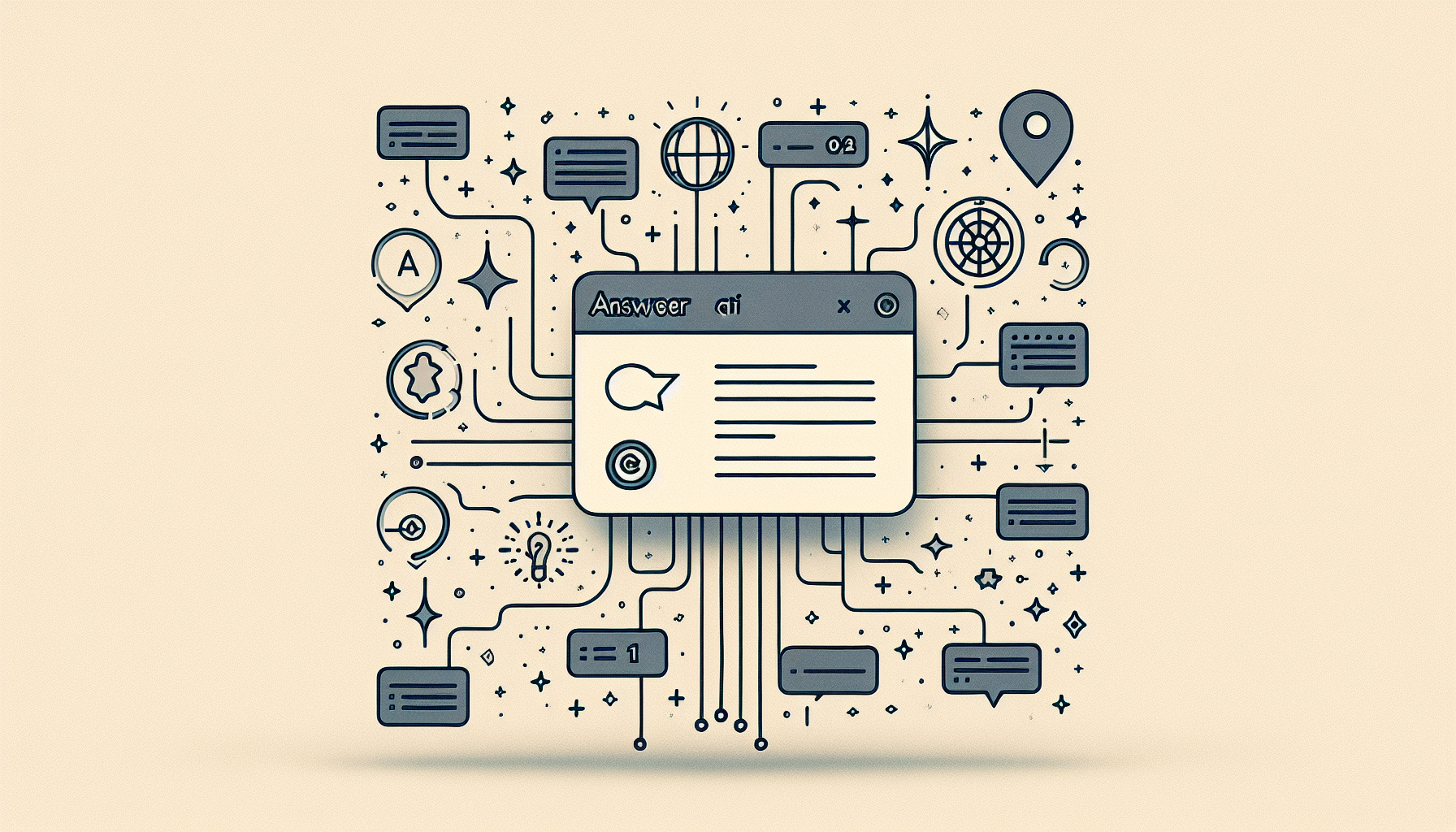
Your customer can ask Google, or they can ask ChatGPT, Perplexity, or Gemini. Increasingly, they do both. The result is the same: an answer, plus a small set of citations.
If you’re not in those citations, you’re not in the consideration set.
That’s what generative engine optimization (GEO) is: making your business easy for AI systems to find, understand, and reference when they generate answers.
Not a rebrand. Not a new discipline. An execution upgrade.
What GEO is (and why small businesses can win)
Traditional SEO is built around rankings that lead to clicks. GEO is built around being referenced—sometimes with a click, sometimes without.
AI tools synthesize a response from multiple sources. Then they cite what they think is reliable. So GEO is less “trick the algorithm” and more “remove ambiguity.”
You’re trying to make it effortless for a system to identify who you are, confirm what you do and where you do it, trust that you’re legitimate, and quote or cite you cleanly. Clarity is a growth channel.
Big companies have budgets. Small businesses have specificity. Generative systems do better when the query is narrow and the entity is well-defined—especially in local and niche categories.
You don’t beat incumbents by outspending them. You beat them by being more legible. Precision beats volume, and you optimize for mentions, not just visits.
GEO vs. SEO: what changes in practice
You still need SEO. GEO doesn’t replace it.
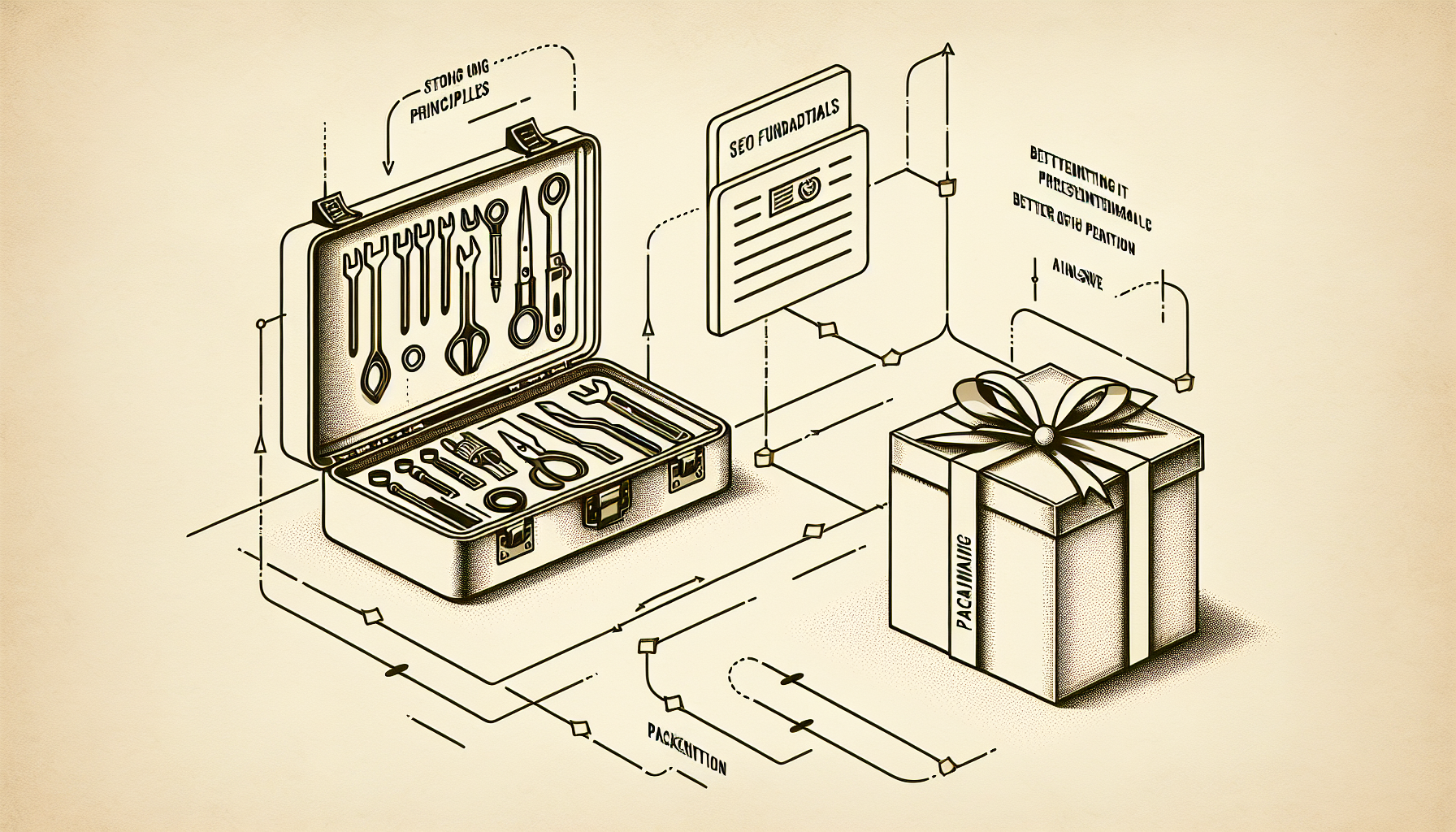
At the operator level, SEO rewards coverage, links, technical cleanliness, and good pages. GEO rewards clear answers, structured data, entity consistency, and credibility signals across multiple sources.
Sometimes you’ll get cited without a click. That can still produce leads if the AI answer includes your name, location, phone number, and a short reason you’re credible.
You’re not optimizing for traffic. You’re optimizing for being chosen.
Do the boring fundamentals before creating content
Most small teams waste time writing new pages while their business information is inconsistent across the internet. AI systems notice that.
Start with Google Business Profile and treat it like your homepage. Complete it fully: correct categories, detailed services, accurate hours, photos, real descriptions (not keyword soup), and Q&A filled with useful answers.
Then lock down NAP consistency (name, address, phone). If your site says one thing, Yelp says another, and a directory has an old phone number, you’re giving the model a reason to hesitate. Do a sweep across your website, Google Business Profile, major industry directories, and social profiles, and fix mismatches.
Get reviews that contain specifics. You don’t need more stars—you need more details that include service type, location cues, and use cases. Prompt for substance without scripting.
Add schema markup as the machine-readable version of your business. Use it to reduce interpretation (LocalBusiness/Organization, FAQPage where appropriate, plus other relevant types), and validate with Google’s Rich Results Test.

A 7-day GEO sprint with shippable outputs
Most founders need momentum, not a master plan. Here’s a tight one-week sprint based on the checklist in the source, with an operator’s bias toward completion.
Days 1–2: clean the identity layer. Audit Google Business Profile for completeness and accuracy, then fix NAP inconsistencies across your top listings.
Day 3: add FAQ schema to your money pages. Pick 2–3 pages that already convert (homepage + core service pages), add 5–8 real FAQs, and implement FAQ schema.
Days 4–5: rewrite the first 2–3 paragraphs on key pages so the page answers directly, fast. In the first screen, include who you are, what you do, where you do it, and what makes you credible (years, certifications, outcomes—only if true).
Days 6–7: add author bios and credentials, then run live reality checks inside ChatGPT, Perplexity, and Google with AI Overviews (if available). Document what gets cited for queries like “[service] in [city]” and “how much does [service] cost in [city].”
Make citation-earning content, distribute it, and measure the right signals
AI systems are optimized to answer questions. Your content should mirror that: list 10–15 customer questions, map what you already answer, fill gaps with targeted pages, and prioritize by business impact—not vanity volume.
Don’t bury the answer. Lead with it, then explain. A good GEO page reads like a calm expert who has done the job 200 times, because that’s the voice that survives synthesis.
Distribution matters because AI reads the web, not just your site. You don’t need to be everywhere—you need to be in places the model already trusts for your category: Google Business Profile, YouTube (short, specific how-tos), LinkedIn (for B2B), and relevant industry directories.
You don’t need enterprise software to start. A practical stack is Google Search Console, Google PageSpeed Insights, Google Rich Results Test, Screaming Frog (free tier), and AnswerThePublic (free tier). If you already use HubSpot, its tools can help, but the core wins don’t depend on any one vendor.
Timelines can move in 4–8 weeks because you’re often fixing discoverability issues rather than waiting for new rankings. Track branded search volume, leads mentioning “found you on ChatGPT/AI,” Google Business Profile calls and direction requests, and referral traffic from known AI sources. Attribution will be messy, but you still need a system—and the grounded takeaway is simple: small budgets don’t lose; small budgets that stay vague do.
About the Author
Founder & CEO of Crowbert Passionate about making enterprise-grade AI marketing accessible to everyone. Building the future of automated marketing, one feature at a time.