Link Building That Actually Works: Earn the Right Links, Don’t Collect Them
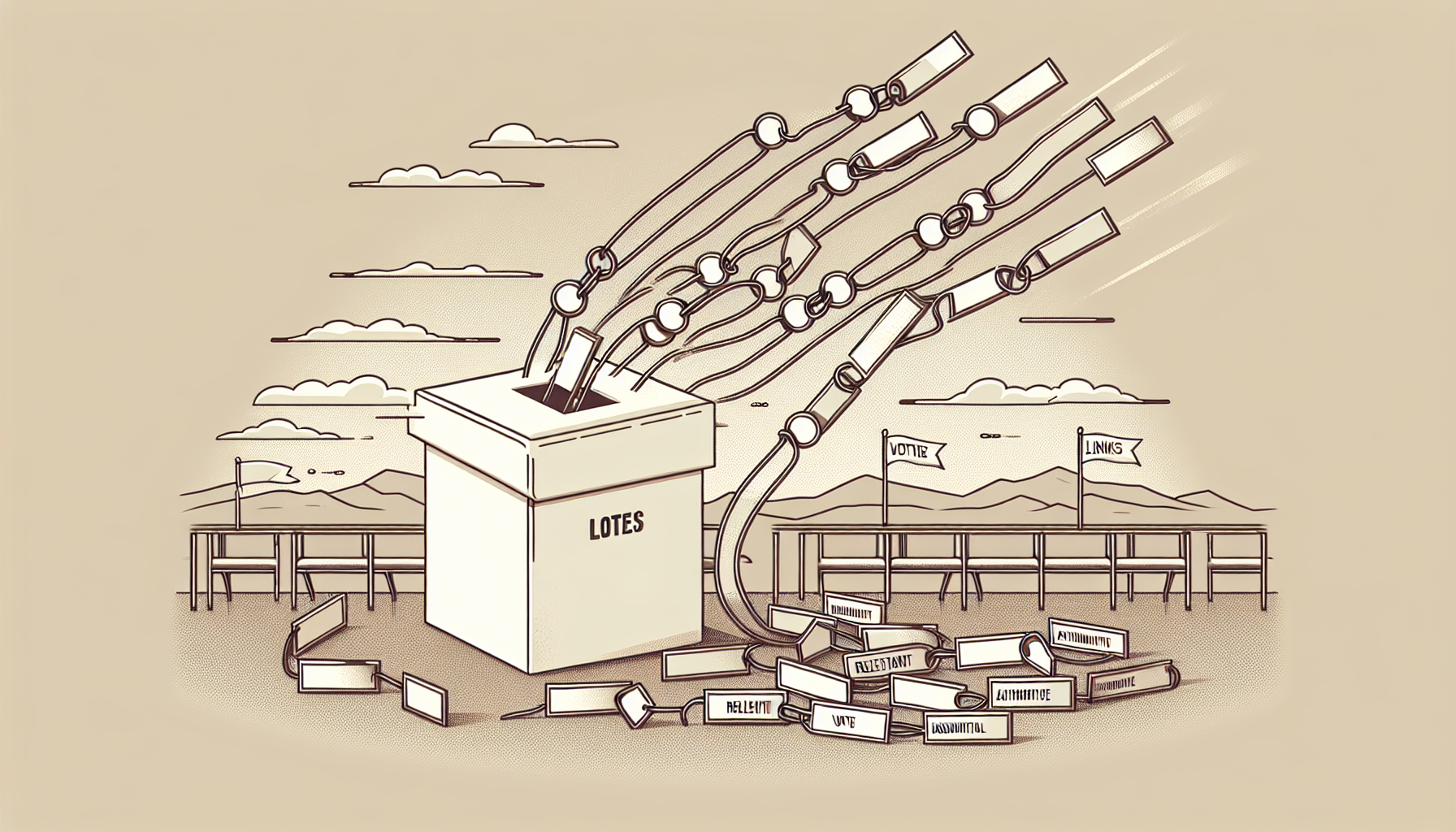
Google still treats links like votes—but not all votes count. If you want rankings that hold, you need links that come from real relevance, real authority, and content people would reference even if SEO didn’t exist.

Links are still Google’s cleanest trust signal
Links are still one of the cleanest signals Google has for trust.
Not “trust” in the vague brand sense. Trust in the mechanical sense: other sites are willing to send their readers to you. That’s costly. It risks their credibility. So it carries weight.
If you’re building an early-stage company, SEO is a long game. Link building is the part that forces you to act like a real publisher: earn attention, earn references, earn distribution.
Collecting links is easy. Building links that move rankings is harder.
Here’s the operator’s version: what to do, why it works, and what to avoid.
Backlinks: traffic + authority, with relevance as the filter
A backlink does two things: it can send traffic (sometimes meaningful, often not) and it transfers authority. Google uses links as a major ranking factor; the source text is explicit about that, even if it doesn’t quantify impact.
The second one is why the first one gets ignored. But the best links do both: they send qualified visitors and they come from a site that Google already trusts in your topic area.
Relevance matters. Authority matters. Quantity matters less than people want it to.
If you chase raw link counts, you’ll optimize for the wrong thing: directories, low-effort guest posts, and “SEO partnerships” that exist solely to trade links. That’s fragile.
Build a link profile that looks like a byproduct of being useful.
Outreach and broken links: earn references by being helpful
Outreach works when it’s grounded in a simple exchange: they have an audience, and you have something worth sending that audience to. Most outreach fails because founders treat it like procurement: “give me a link.”
A good pitch is closer to a product pitch: clear topic fit, specific value, and low friction. Personalization isn’t about flattery. It’s about proving you actually looked.
Email is the default channel. The source text mentions social platforms as an alternative if the recipient is active there. Practically: use whichever channel you can reliably follow up on without becoming annoying.
Broken link building is underrated because it’s not glamorous. Find a page with an outbound link that’s dead, create (or already have) a relevant replacement, and tell the site owner exactly what’s broken and what to swap in.
This works because you’re helping them maintain site quality. But don’t force it—if your replacement isn’t genuinely equivalent (or better), you’ll burn credibility. The easiest win is making the replacement obviously more current: updated facts and dates (when applicable), clearer structure, better examples, faster load, fewer popups.
Build cite-worthy assets that earn links without asking
The cleanest links are the ones you never asked for. They happen when someone is writing and needs to cite something: a stat, a definition, a process, an example, a tool.
That’s the mental model: build citations, not “content.” Make it easier to reference you than to reinvent you.
Formats that tend to earn links map neatly to what busy writers need: step-by-step guides with real procedures and assets; interviews where the subject has credibility and says something non-obvious; data analysis and research; polls with at least explained sample and methodology; case studies with inputs, constraints, outcomes; visual assets like charts and diagrams; tools and resources like calculators and checklists.
One practical tactic: ship a page that becomes the default link for a recurring pain—pricing calculator, migration checklist, benchmark dataset, compliance template. If it saves someone time, it gets linked.
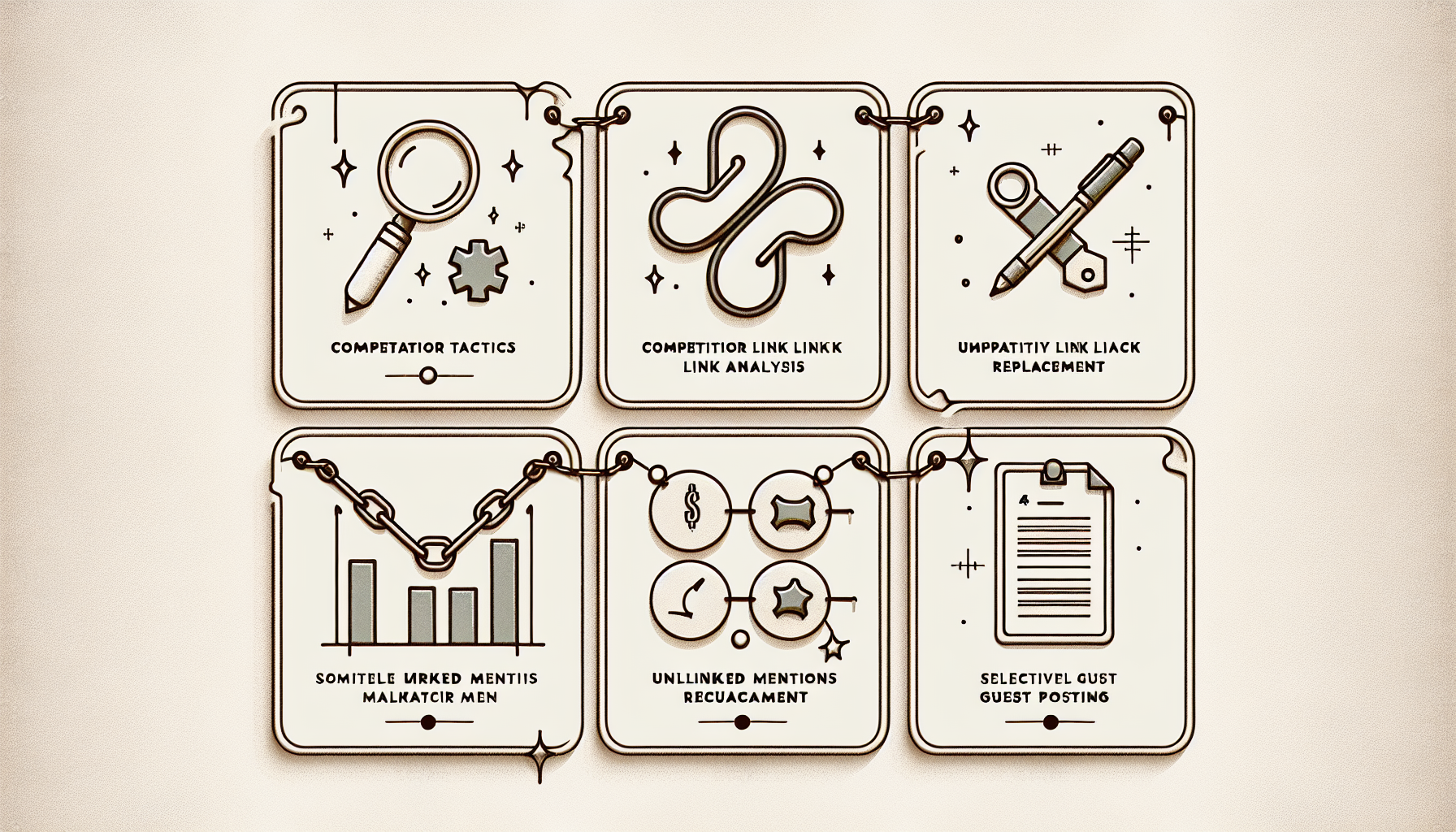
Competitive intelligence and guest posts: copy intent, use distribution
Looking at competitor backlinks isn’t about envy. It’s about understanding what the market rewards.
If a competitor has a page with lots of backlinks, there’s usually a reason: it’s the best explainer, it includes original data, it became the default reference because it was early and “good enough,” or it’s attached to a distribution engine (newsletter, community, partnerships). Your job is to infer the intent behind the links, then build something that satisfies the same intent with higher quality.
Competitor link profiles can also reveal who links to content like yours—blogs, roundups, tool lists, industry directories. Not all are good targets, but they’re a starting map. Don’t blindly chase every referring domain; chase the patterns that signal relevance.
Guest blogging reliably produces links, and the source text frames it as cost-effective and good for traffic. That’s mostly true if you’re selective.
Do fewer, do better: pick credible sites in your niche (credibility and relevance matter as much as domain authority), write something you would publish on your own site, and link sparingly and contextually to a deep resource (guide, tool, dataset), not your homepage. A good guest post is an acquisition channel; the backlink is just the receipt.
Reclaims, skyscrapers, and the rules that keep rankings stable
Sometimes people mention your brand, product, or research but don’t link. Writers work fast, editors remove links, or someone cites your name without thinking about attribution. The fix is straightforward: reach out and ask for the link.
This is one of the highest-leverage tactics because you’re not persuading them you’re credible—they already referenced you. Be polite, be specific, and make it easy: the URL where they mentioned you, the URL you want linked, and suggested anchor text (optional). It’s cleanup.
The skyscraper technique is simple: find a heavily-linked piece of content, create something better, and ask the sites linking to the old piece to link to yours instead. The failure mode is “make it longer” and call it better—length isn’t quality.
A real upgrade looks like: more authoritative author or firsthand expertise, updated facts and data, clearer structure and navigation, better visuals, new angles (counterpoints, edge cases, operational constraints), and more concrete examples. Then outreach becomes rational: you’re offering a better reference.
What to avoid if you want rankings that hold: don’t optimize for number of links, don’t outsource judgment, and don’t build links to pages that don’t deserve them. SEO is reputation, encoded. Links are other people vouching for you. The grounded takeaway: start with cite-worthy assets, use outreach, broken-link replacement, competitor analysis, guest posting, and unlinked-mention reclamation as distribution mechanics—not shortcuts. Earn a smaller number of links you’d be proud to have.
About the Author
Founder & CEO of Crowbert Passionate about making enterprise-grade AI marketing accessible to everyone. Building the future of automated marketing, one feature at a time.